Comparison of New Builds and Secondary Housing in Bulgaria: What to Choose?
In 2025, Bulgaria's real estate market is experiencing significant growth: housing prices have increased by 15.1% compared to the same period in 2024, making the country the second in the EU for price growth after Portugal. Bulgaria's full accession to the Schengen Area has heightened investor interest, particularly in residential properties, with rental yields reaching 5–8% annually. However, before buying, it’s crucial to understand the difference between new builds and secondary housing: the former offer modern standards, while the latter provide affordability and proven locations. In this expanded article, we compare these segments based on key criteria (price, quality, risks, profitability), relying on 2025 market data. This will help you choose the optimal option for investment, relocation, or rental, considering market trends: secondary housing outpaces new builds in price growth (6.1% vs. 1.3%), but new builds lead in energy efficiency and demand.
Overview of Bulgaria’s Real Estate Market in 2025
Bulgaria’s market in 2025 is characterized by steady growth: the average price per square meter in Sofia is €1500–2300, on the Black Sea coast — €1150–1800, with overall price increases of 12–18%. New builds account for about 40% of transactions, attracting investors with quality and tax incentives (VAT 9% for primary housing), while secondary housing accounts for 60%, thanks to lower prices and quick move-in. Schengen has boosted demand from expats, especially in coastal and mountain regions, where rental yields reach 6–11%. The secondary market grows faster due to a shortage of new builds, but new builds excel with green technologies and minimal risks. Total transaction volume: about 85% in the mid-price segment, focusing on 2–3-bedroom apartments. The choice depends on the goal: investments — new builds for long-term profitability; relocation — secondary housing for quick occupancy.
Advantages and Disadvantages of New Builds in Bulgaria
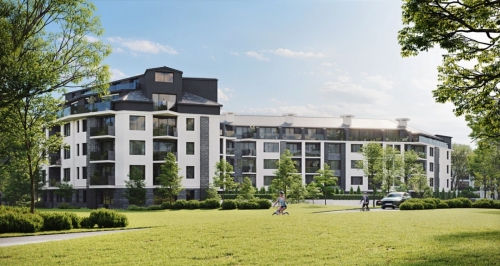
New builds are properties from developers, often with Act 16 (occupancy permit) or under construction. In 2025, their share is growing due to energy efficiency programs and Schengen.
Advantages:
Modern Standards and Quality: New builds feature energy-efficient systems (class A/B, solar panels), reducing utility costs by 20–30%. Materials are durable, with developer warranties (2–5 years). In 2025, a "green tax" (0.5%) was introduced, but new builds benefit from exemptions.
Infrastructure and Layout: Complexes include parking, playgrounds, pools, and security. Layouts are flexible: choose the floor, view, or make changes before completion.
Investment Attractiveness: Price growth of 1.3% per quarter, rental yield 5–8%. Easy to rent on Airbnb, especially in Sofia or Burgas. Payback period — 10–12 years.
Incentives: VAT 9% for primary housing, installment plans from developers.
Disadvantages:
- Waiting and Delay Risks: Completion takes 1–2 years, with delays possible (in 2025 — up to 6 months in 20% of cases).
- Higher Prices: 20–30% more expensive than secondary housing (€1300–2000/m² vs. €800–1500). Additional costs for finishing (if "off-plan").
- Lower Liquidity Initially: Resale is harder until the complex is completed.
- Developer Risks: Bankruptcy or poor quality — verify the developer’s reputation.
Advantages and Disadvantages of Secondary Housing in Bulgaria
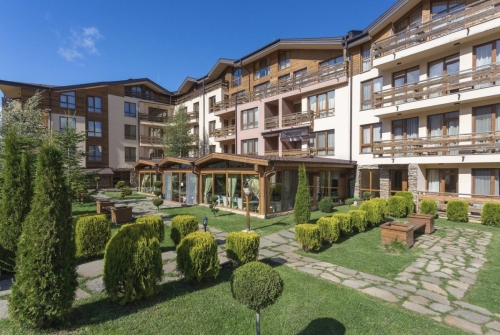
Secondary housing includes ready properties from previous owners, often in established areas. In 2025, this segment leads in price growth (6.1% per quarter), accounting for 60% of transactions.
Advantages:
- Quick Move-In and Low Prices: Ready for occupancy immediately after the deal. Prices are 20–30% lower than new builds (€800–1500/m²), with room for negotiation. Total costs — up to 4.5% for taxes and agency fees.
- Proven Locations: Secondary housing in central Sofia, Varna, or Burgas with developed infrastructure (schools, shops). No risks of an "unproven" new district.
- Stable Profitability: Rental payback in 12–15 years, higher in resort areas (6–11%).
- Historical Charm: Apartments in old buildings with unique architecture, especially in Plovdiv.
Disadvantages:
- Repairs and Hidden Defects: Old utilities, need for renovations (costs 20–50% of the price). Risks: mold, cracks, or encumbrances (mortgages).
- Low Energy Efficiency: Higher utility costs (20–30% more than new builds), no green technologies.
- Lower Liquidity: Resale is harder if the area is not prime.
- Fraud Risks: Fake documents — mandatory legal checks.
Comparison by Key Criteria
In 2025, new builds excel in quality, while secondary housing wins in price and speed.
What to Choose: Recommendations
- For Investments: New builds in Sofia or Varna for price growth and rental (payback 10–12 years).
- For Relocation: Secondary housing in established areas for quick comfort.
- Budget <€150,000–200,000: Secondary housing in Plovdiv or Burgas.
- Families: New builds with infrastructure.
- Advice: Always verify documents through ARC, work with a real estate consultant (Pallant Real Estate). For non-EU citizens — use a company for land ownership.
Balance of Price and Quality
In 2025, the choice between new builds and secondary housing in Bulgaria depends on your goals: new builds for the future, secondary housing for the present. The market is favorable with low taxes and Schengen, but risks are minimal with professional assistance. Invest wisely — and Bulgaria will bring profit!