Buying Property in Bulgaria for Remote Work: Best Cities and Infrastructure
In the era of digital transformation, remote work has become the norm for millions of people worldwide. Bulgaria, as a European Union member, attracts freelancers, IT specialists, and digital nomads thanks to affordable housing prices, high-speed internet, diverse landscapes, and relatively low living costs. In 2025, after the introduction of the digital nomad visa, the country became even more attractive for foreigners wishing to work remotely. According to reports, Bulgaria holds leading positions in Europe for mobile internet speed (average 5G speed — 298.2 Mbps) and offers 100% 4G network coverage. Let’s figure out which cities in Bulgaria are the most attractive for buying property for remote work, their infrastructure, and the practical aspects of acquiring real estate.
Why Bulgaria is Ideal for Remote Workers?
Bulgaria combines the advantages of a European standard of living with affordability. The average cost of living here is 40–50% lower than in Western Europe, and property prices have risen by 18.3% over the year but remain attractive — an average of €1100 per m². For remote workers, key factors are:
- High-speed internet: The average speed of fixed broadband is 85.36 Mbps, and mobile reaches up to 298 Mbps in cities. The government is investing BGN 390 million in expanding high-speed access in rural areas, ensuring gigabit networks by 2030.
- Digital nomad visa: Introduced in mid-2025, it allows non-EU citizens to live and work for up to a year with the possibility of extension.
- Quality of life: From mountain resorts to the Black Sea coast — there’s everything for a balance of work and leisure. Plus, a developed network of coworking spaces and nomad communities.
- Tax benefits: Low income tax (10%) and a simple system for freelancers.
Foreigners can freely buy apartments, while purchasing houses with land requires registering a company.
Best Cities for Remote Work and Property Purchase
Based on 2025 data, the best cities combine infrastructure, community, and affordability. Here are the top 5, including Bansko, which is especially popular among nomads.
1. Sofia — Capital and Professional Hub
Sofia is a dynamic center with numerous IT companies and coworking spaces (e.g., Puzl CowOrKing). The city offers an excellent balance of work and entertainment: parks, Wi-Fi-equipped cafes, and an international airport. Internet here is stable (average speed 100+ Mbps). Property prices: €2400 per m² in the center, a 15.1% increase over the year. Ideal for those seeking an urban environment with an expat community.
2. Plovdiv — Cultural and Affordable Center
Bulgaria’s second-largest city, Plovdiv, is known as the “European Capital of Culture.” It has plenty of coworking spaces (Nebula Coworking) and work-friendly cafes. Infrastructure includes high-speed trains to Sofia and an airport. Prices: from €1500 per m² in the center, a 17.9% rise. Suitable for creative nomads who value history and low costs.
3. Varna — Coastal City with Beaches
Varna on the Black Sea is the choice for those who want to work by the sea. It has many coworking spaces, similar to Sofia, plus beaches for relaxation. The airport accepts international flights. Internet: high-speed, 100% coverage. Prices: 18.4% growth, averaging €1500–1800 per m². Summer brings a tourist boom, winter — tranquility.
4. Burgas — Calm Coastal Option
Burgas is similar to Varna but more relaxed. Good infrastructure: an airport, coworking spaces, and parks. Prices: 10.6% growth, from €1000 per m² in the outskirts. Ideal for family nomads with children — there are schools and clinics.
5. Bansko — Mountain Paradise for Nomads
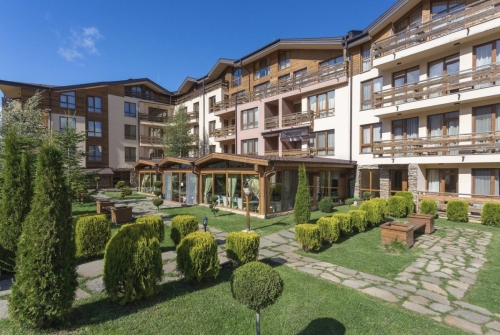
Bansko, a ski resort in the Pirin Mountains, has become a hub for digital nomads thanks to its community and the annual Bansko Nomad Fest (which gathered hundreds of participants in June 2025). It has excellent infrastructure for remote work: coworking spaces like Coworking Bansko (with speeds of 50+ Mbps) and Altspace, where you can rent a desk for €10–15 per day. Winter offers skiing, summer — hiking. Property prices: from €900–2000 per m², a 15–20% increase due to popularity among expats. Nomad experience: low costs (€800–1500/month), a strong community, and a balance of work and nature. Bansko saw a 76% increase in nomads in 2025.
Infrastructure for Remote Work
- Internet and connectivity: Bulgaria leads Europe in 5G (4th place globally for mobile internet). Coverage is 100% in cities, with plans for gigabit networks.
- Transport: Airports in Sofia, Varna, Burgas, and Plovdiv; high-speed trains and roads. In Bansko — ski lifts and buses to Sofia (2 hours).
- Coworking and services: Over 100 spaces across the country, including free Wi-Fi in cafes. In Bansko — a focus on community with events.
- Healthcare and banking: Affordable clinics, international banks (Revolut, Wise). For nomads — insurance from €20/month.
Property Prices and Purchase Process
In 2025, the market grew by 18–20% in key cities but remains affordable. Example: a 50 m² apartment in Sofia — €120,000, in Bansko — €50,000–80,000. Rental yield: 4–8%.
Steps for foreigners to buy property:
- Select a property (agency/developer/real estate consultant).
- Verify documents (lawyer/notary).
- Sign contract and pay (5–10% deposit).
- Taxes: 4–5% of the price, plus notary fees of €500–1000.
- Registration (up to 2 months).
We recommend buying property in 2025, as the market is steadily growing before euro integration.
Bulgaria is a hidden gem for remote workers, offering everything from urban Sofia to mountainous Bansko. With high-speed internet, affordable prices, and a strong community, buying property here is an investment in quality of life. If you’re looking for a property, contact our agency for a free consultation: we’ll help you find the ideal option for your work style. Reach out via email: sales@pallantinvest.com or check out current listings now!