Bulgaria Adopts the Euro from New Year’s. How Will This Affect Property Prices?
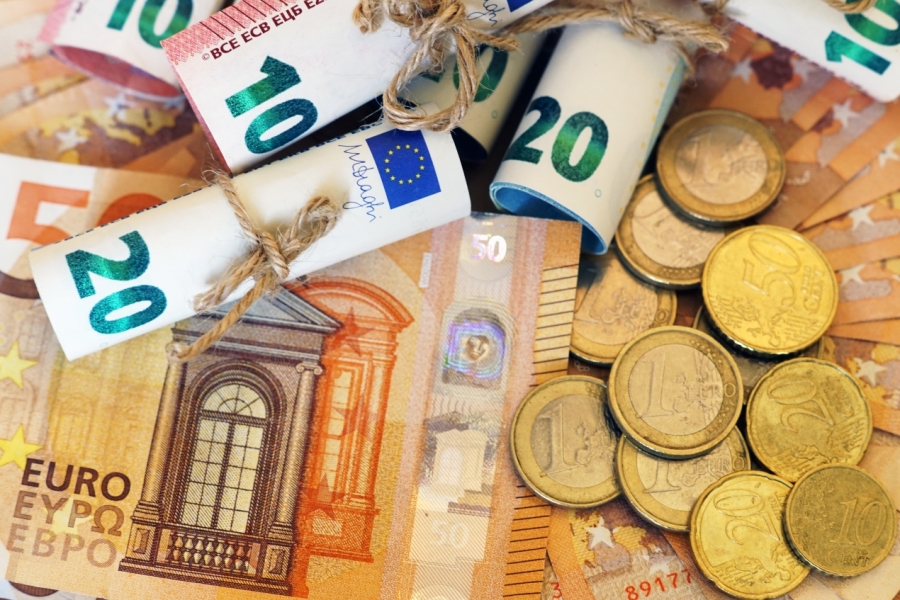
Starting January 1, 2026, Bulgaria will officially join the eurozone, concluding a long process of aligning with European economic standards. The decision by EU finance ministers in July 2025 set the exchange rate of the Bulgarian lev to the euro at 1.95583 leva per 1 euro. This historic step marks a new phase in the country’s economic development and will inevitably impact the real estate market, which has shown steady growth for several years. Let’s explore how the transition to the euro might influence property prices in Bulgaria, based on current trends and informed speculation.
Current State of the Real Estate Market
At present, real estate in Bulgaria remains among the most affordable in Europe.
The average price per square metre in the major cities is:
Sofia: €1,600–€2,400/m², averaging around €2,000/m²;
Varna: approximately €1,633–€2,000/m²;
Burgas: about €1,343–€1,750/m².
In resort areas, prices fluctuate relative to urban levels and can be either lower or higher:
Sunny Beach: €800–€1,200/m²;
Sozopol: roughly €1,397–€2,000/m².
A significant price increase was also recorded in 2024: according to the National Statistical Institute (NSI), in the fourth quarter the value of residential property rose by 18.3% compared to the fourth quarter of 2023. This surge is attributed to Bulgaria’s accession to the Schengen Area in March 2025 and the resulting increased interest from foreign investors.
Potential Impact of the Euro Transition
The switch to the euro could have both positive and negative effects on property prices, depending on various factors.
Increased Investor Confidence: Joining the eurozone will make Bulgaria more appealing to European and international buyers. The stability of a single currency will reduce exchange rate risks, potentially leading to an influx of capital. It is speculated that demand for real estate could rise by 10-15% in the first two years post-transition, particularly in major cities and resort regions, potentially increasing prices by 5-10% by mid-2026.
Rising Construction Costs: With the introduction of the euro, the cost of construction materials and labor imported from eurozone countries may increase due to currency adjustments. For instance, if current prices for cement or steel, paid in euros, rise by 5-7%, this will impact the cost of new projects. As a result, prices for new developments could increase by 8-12% within the first year after the transition.
Inflationary Pressure: The shift to the euro may trigger a temporary inflation spike, especially in the first months of 2026, as the market adjusts to the new currency. This could lead to a 3-5% rise in property prices in the short term, as sellers and developers might factor in additional costs.
Reduced Affordability for Locals: While the euro transition will simplify investments for foreigners, it may make housing less affordable for Bulgarian citizens with incomes denominated in leva. If wages do not rise proportionally, local demand could decline, theoretically slowing price growth. However, this effect is likely to be offset by the inflow of foreign funds.
Long-Term Price Growth: Over the long term (5-10 years), the transition to the euro could align Bulgarian property prices with those of other eurozone countries like Romania or Croatia, where the average cost per square meter already reaches €2,000-€2,500. It is estimated that by 2030, prices in popular regions like Sofia or Varna could rise to €2,500 per square meter, representing a 25-30% increase from current levels.
Regional Variations
Sofia: As the economic hub, the capital may see the most significant price increase—up to 15% in the first year post-transition, especially in prestigious districts.
Resort Areas (Burgas, Varna): Growth here could reach 10-12%, driven by increased demand from tourists and investors from the eurozone.
Smaller Towns (Bansko, Plovdiv): Prices may rise by 5-8%, as these regions are less attractive to large investors but retain potential for local demand.
Bulgaria’s transition to the euro on January 1, 2026, will act as a catalyst for changes in the real estate market. While short-term price increases are inevitable, they could be mitigated by government measures to control inflation and support local buyers. For investors, this opens a window of opportunity: purchasing property before the end of 2025, especially at the construction stage, could be a strategically sound decision, locking in current prices and yielding profits as values rise. However, risks such as inflation and potential changes in tax policy should be carefully considered.